

Each year, farmers from across the country come together in New York City to witness how their soybeans are impacting lives and infrastructure in the concrete jungle. This tour, hosted by Clean Fuels Alliance America, showcases decades of relationship-building and partnership between rural America and its urban neighbors.
New York City is one of the largest markets for clean fuels, thanks in part to checkoff investments from the Nebraska Soybean Board (NSB) and other soybean organizations. Notable uses of soy-based biofuels such as biodiesel and renewable diesel have come through a Bioheat B10 mandate (a 10% blend of biodiesel and traditional home heating oil), the city fleet vehicles, the Staten Island Ferry system and other off-road equipment. These conversions help the city meet ambitious carbon reduction goals, including a 50% greenhouse gas reduction by 2030.
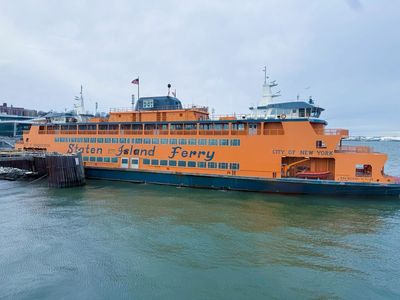
15% of fleet emissions and transports roughly 16.7
million people annually, now runs on 100%
renewable diesel, which uses soybean oil as a feedstock.
Fresh off providing leadership through a weekend snowstorm, Keith Kerman, Deputy Commissioner and Chief Fleet Officer, spoke of the impact of soy to the group at the NYC Department of Citywide Administrative Services (DCAS) and how they are currently at a 46.5% carbon reduction. The city has converted its 12,000-vehicle diesel fleet to renewable diesel and biodiesel, both of which use soybean oil as a feedstock. Kerman brought up of the reliability of biofuels as a key part in NYC’s response to weather events and is part of the reason a half billion gallons of biofuels have been used in the city since 2005. you’re in NYC leadership, you cannot mess up a snowstorm,” Kerman said. “We need these products to work, and they do.” Attendees later received an in depth look at the NYC Department of Transportation Staten Island Ferry system. Greg Anderson, a farmer from Newman Grove and NSB vice-chairman, said that seeing biofuels help transport thousands of people to and from work every day was icing on the cake. “The ferry system uses about 4.5 million gallons of fuel annually,” Anderson said. “This is a prime example of the soybean checkoff building domestic demand for soybean oil, which is a primary feedstock for renewable diesel.”
After completing meetings with the city, the group visited John Browne High School, a public high school with a specialized career and technical education program in agriculture, one of the only one of its kind in New York City. More than 500 students are enrolled in the Animal, Plant and Agriscience Institute, and they also have a vibrant FFA program. One student was able to talk about the use of biodiesel in the school-owned tractor with the farmers from Nebraska.
From farming discussions to fleet conversions, marine fuels and urban agriculture, this tour demonstrates how America's largest cities are benefiting from the exceptional vision of America's soybean farmers.