
Thinking about legacy and passing on the family farm is a daunting task, not only in thought, but even more-so in action. Where do you start and who do you listen to? Maybe more important than the monetary decisions are the relationships that will be molded. And when does that conversation happen? Lots of times the can gets kicked down the road and that transition begins by reading a piece of paper after a funeral. It almost always creates more hardship than having a conversation when everyone is still alive and capable of understanding your desires for the future of the operation.
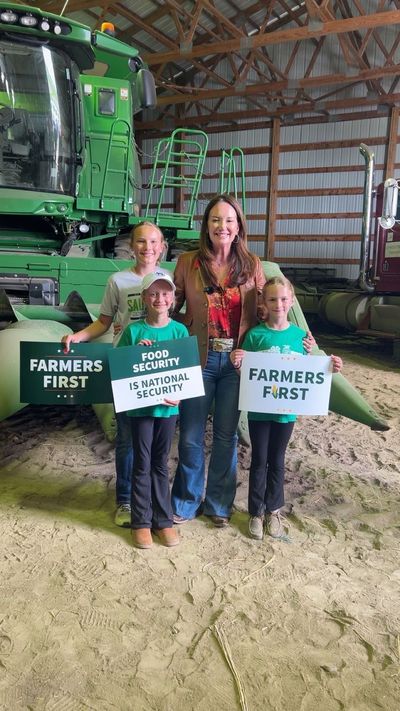
Agriculture Brooke Rollins at the Ohnoutka
farm near Valparaiso.
Earlier this spring I was fortunate enough to be invited by Kurt and Barb Ohnoutka and family, as they hosted new Ag Secretary Brooke Rollins on their family farm. This was the unveiling of the USDA’s Farmers First Initiative, which is designed to support family farming operations. I was super grateful to be able to attend with my dad and my three daughters. The girls probably didn’t and still don’t grasp the whole importance of the visit, but it was empowering for them to converse with Secretary Rollins as they donned their 4-H shirts and spoke about their life on our family farm.
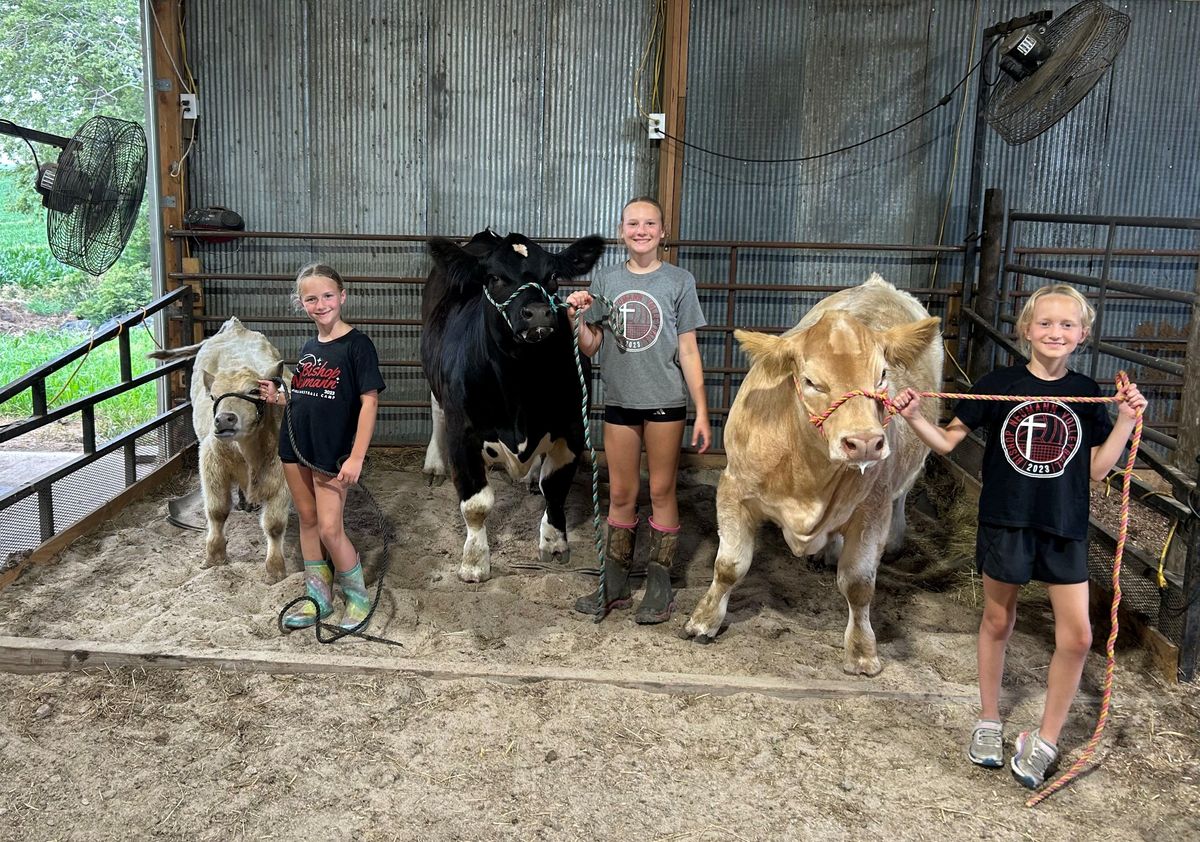
I chose to continue investing my time, money and sweat equity into my family operation because it’s important for me to continue that legacy. Ashley and I have made the decision to keep our girls active on the farm. We’re here to empower our girls and show them opportunity IF that’s the life they want. For our family, livestock is that opportunity. It bears the responsibility of washing 4-H steers in the summer and watching calving cameras in the winter. Your story and your situation is unique to you. Continue to seek advice and learn, and please reach out if you need help finding the resources that you need.