
Article & Photos by: Ritz Ag Consulting, Inc
Now that Nebraska soybean farmers have finished a successful harvest, many often wonder about the journey of their soybeans after delivering them to the local elevators. According to the USDA, 50-60% of U.S. soybeans are exported as whole beans, and 28% of soybean meal is shipped to customers worldwide. The Nebraska Soybean Board invests some of your checkoff dollars into international programs to build and maintain market access for Nebraska soybeans and soybean meal.
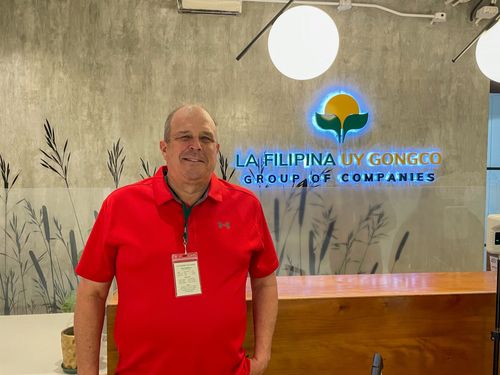
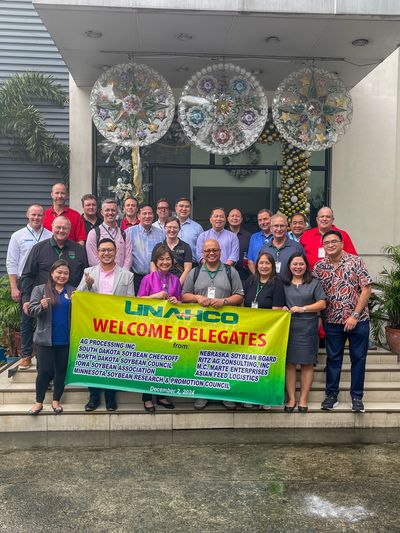
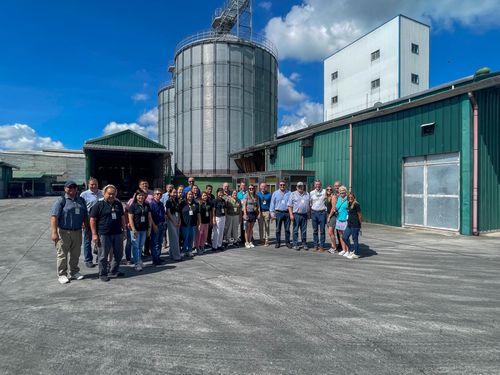
District 8 director Blake Johnson of Holdrege recently visited the Philippines as part of an annual Midwest farmers' trade mission to strengthen connections with soybean meal buyers. The Philippines is the top importer of U.S. soybean meal, using it primarily for poultry, swine and aquaculture feed. During the trip, the delegation met with key importers and shared insights from the recent harvest, emphasizing product quality. Such as missions play a critical role in building trust and understanding between U.S. farmers and international customers.

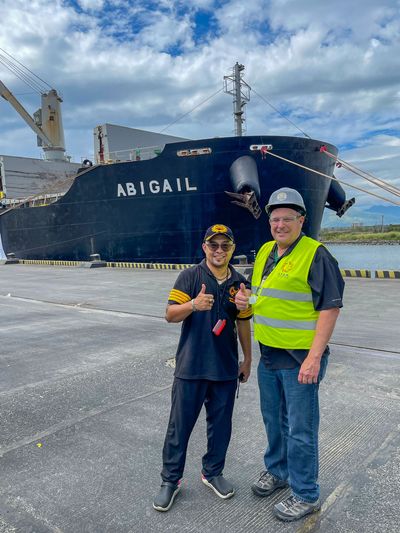
The journey of U.S. soybeans, in the form of soybean meal shipped to the Philippines, reflects a well-established relationship that began in 2004. That year, AGP opened its PNW export terminal at the Port of Grays Harbor in Aberdeen, WA, becoming one of the first facilities to export soybean meal from the PNW to Southeast Asia. Initially, unit trains transported soybean meal weekly from Hastings, NE, to supply vessels bound for the Philippines and other Southeast Asian countries.
Over time, Nebraska farmers have strengthened this connection by hosting Philippine trade teams during harvest seasons, offering them a firsthand look at the quality and productivity of Nebraska's soybean fields. With AGP's continued expansion, including the upcoming opening of its David City facility in summer 2025, Nebraska soybean farmers are expected to send approximately 16 trains of soybean meal monthly to the PNW for export.
This long-standing partnership is mutually beneficial. It allows Nebraska farmers to retain value locally by supporting the renewable fuels industry with soybean oil and supplying domestic livestock feed. The excess soybean meal continues to serve as a vital protein source for the Philippines and other Asian markets.
Nebraska soybean farmers play a critical role in feeding the world, with their products traveling thousands of miles to meet the growing demand for high-quality protein sources. Through investments in international programs and partnerships with Ag Processing Inc., Nebraska farmers ensure their soybeans reach global markets efficiently. The recent trade mission to the Philippines underscored the importance of these relationships, showcasing the direct impact of Nebraska-grown soybeans on international customers. As AGP continues to expand with its new facility in David City, Nebraska's role in the global soybean meal market will only strengthen, bringing value back to local communities while supporting the nutritional needs of millions worldwide.