

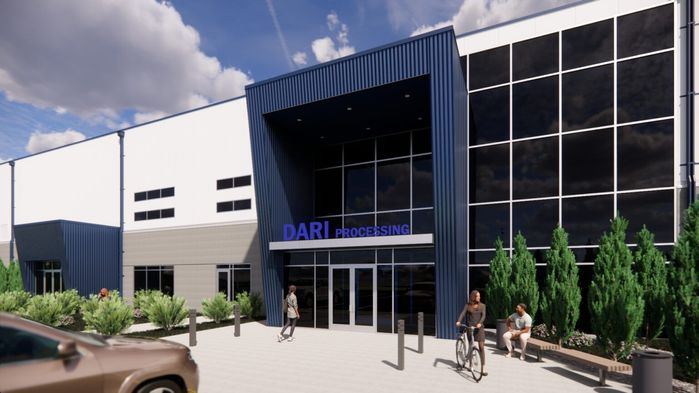
A dairy cow produces more than milk, cheese or yogurt. Each adds about $12,000 in local economic impact through feed, jobs and property taxes. Multiply that by the thousands of cows needed for Nebraska’s new $165 million DARI Processing LLC plant, and the ripple effects will reach farms, businesses and rural communities.
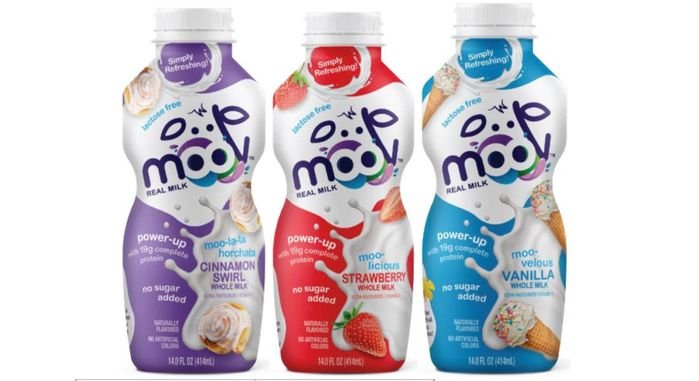
The Tuls family broke ground on the Seward-area facility in June, making DARI the seventh dairy company to invest in Nebraska processing and the first to do so in more than six decades. Once operational in 2027, the plant will produce aseptic, shelf-stable milk under the Moo’V Real Milk brand.
Milk is perishable, which makes location critical. Today, Nebraska’s milk is often hauled out of state. Once DARI comes online, more will stay in Nebraska, reducing freight costs, improving freshness and keeping more value here. That growth means more cows, more soybean meal and more opportunity for crop and livestock producers to benefit together.
For soybean farmers, the tie is clear. “A typical dairy ration includes about eight pounds of soybean meal per cow per day,” said Steve Martin, executive director of
the Alliance for the Future of Agriculture in Nebraska (AFAN). “To support the 20,000 cows needed for this plant, that’s about 160,000 pounds of soybean meal daily. That’s real demand for Nebraska-grown soybeans.”
And the benefits don’t stop at feed. Manure from those cows can return to nearby fields, cutting fertilizer costs while improving soil health, water-holding capacity and long-term sustainability in corn-soybean rotations.
The Nebraska Soybean Board has supported this momentum through its partnership with AFAN. “The investment the Nebraska Soybean Board made in AFAN made it possible for us to go out and recruit dairy processing companies,” Martin said. “That’s going to drive demand for milk, cows and feed.”
Those efforts also help put Nebraska on the map. “This creates news about the dairy industry in Nebraska,” Martin added. “When companies look for their next spot, they see our water resources, our feed resources and the row crop farmers who can supply the feed.”
It is a full-circle return on soybean checkoff investments, supporting partners like AFAN who recruit these partnerships and strengthen markets for soybeans, livestock and rural communities.
For soybean farmers, it all circles back to the crop: more soybeans in feed, more nutrients for the soil and more value flowing back into rural communities. And with DARI’s groundbreaking, Nebraska is making a true “Moo’V” toward keeping more value close to home.
From Milk to Meal to Community Growth
- 1.8 million lbs of milk per day - plant demand that will require 20,000 more cows.
- 160,000 lbs of soybean meal - steady new markets for Nebraska soybeans.
- Manure back to fields - lowers fertilizer costs and improves soil health.
- $12,000 per cow in annual impact - economic ripple effect for farms, jobs and local services.